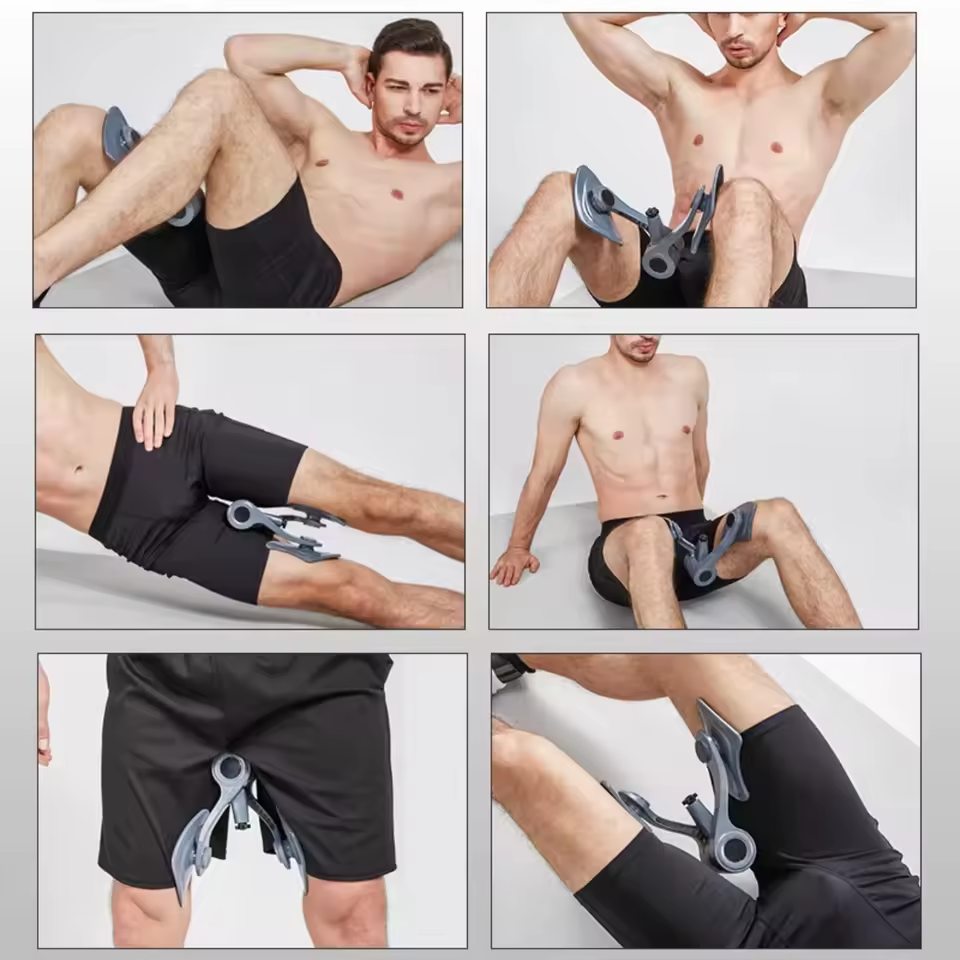
Pelvic reposition exercises can significantly improve pelvic symmetry, reducing left–right asymmetry in muscle length and movement patterns, which suggests better alignment of the pelvis relative to the body’s axis — a foundation for more neutral spinal posture. | Core stability training improves trunk stability and control, enhancing neuromuscular coordination around the pelvis and spine — essential for maintaining neutral spinal alignment against gravitational load. | Posterior pelvic tilting increases activation of deep core muscles such as the transversus abdominis, which supports the lumbar spine and lumbopelvic alignment critical to posture and power. | Core stability exercises significantly improve static and dynamic postural balance, with measurable improvements in balance tests following stability training, indicating enhanced control over trunk and pelvic positioning. | Combined core and pelvic floor training improves lumbar function — a key predictor of reduced lower back strain and better postural support in sedentary populations (e.g., women with lower back pain). | Exercise programs targeting pelvic floor and core muscles improve postural control and spinal stability, as discussed in rehabilitation and posture literature, supporting a functional link between pelvic muscle activation and spine alignment.
pelvic pelvic 2 pelvic 3

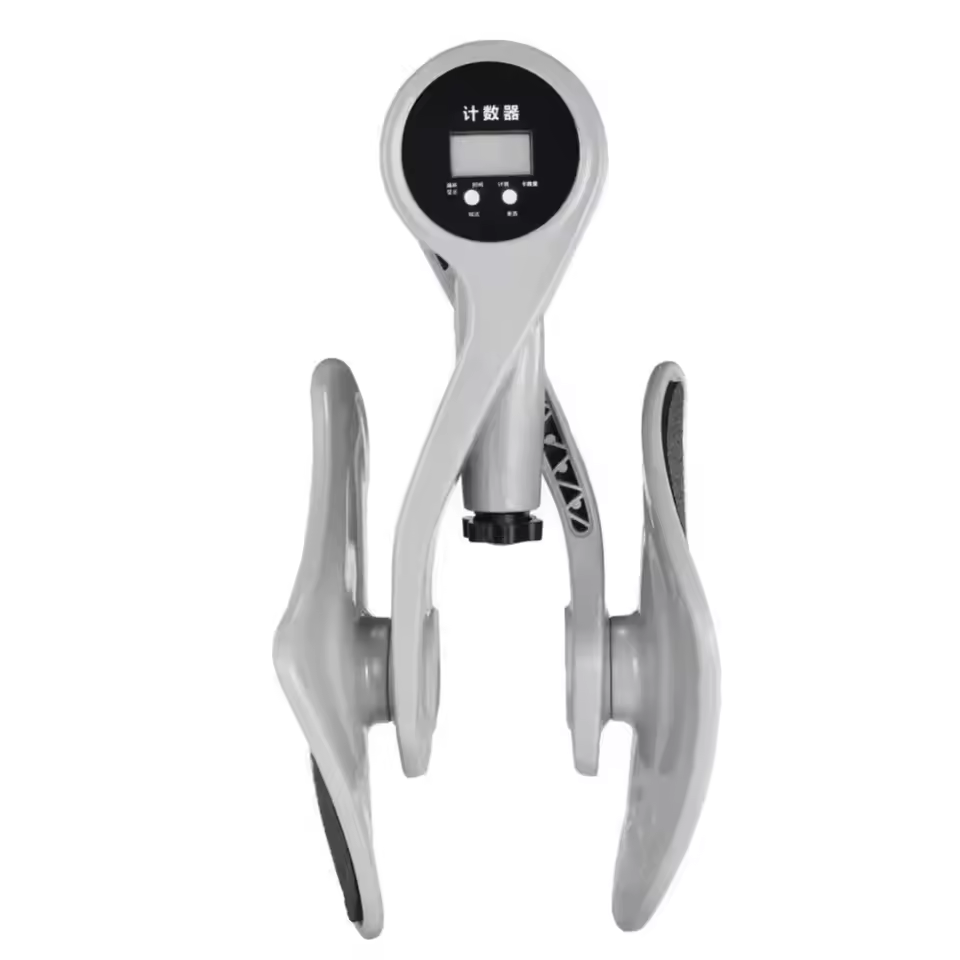
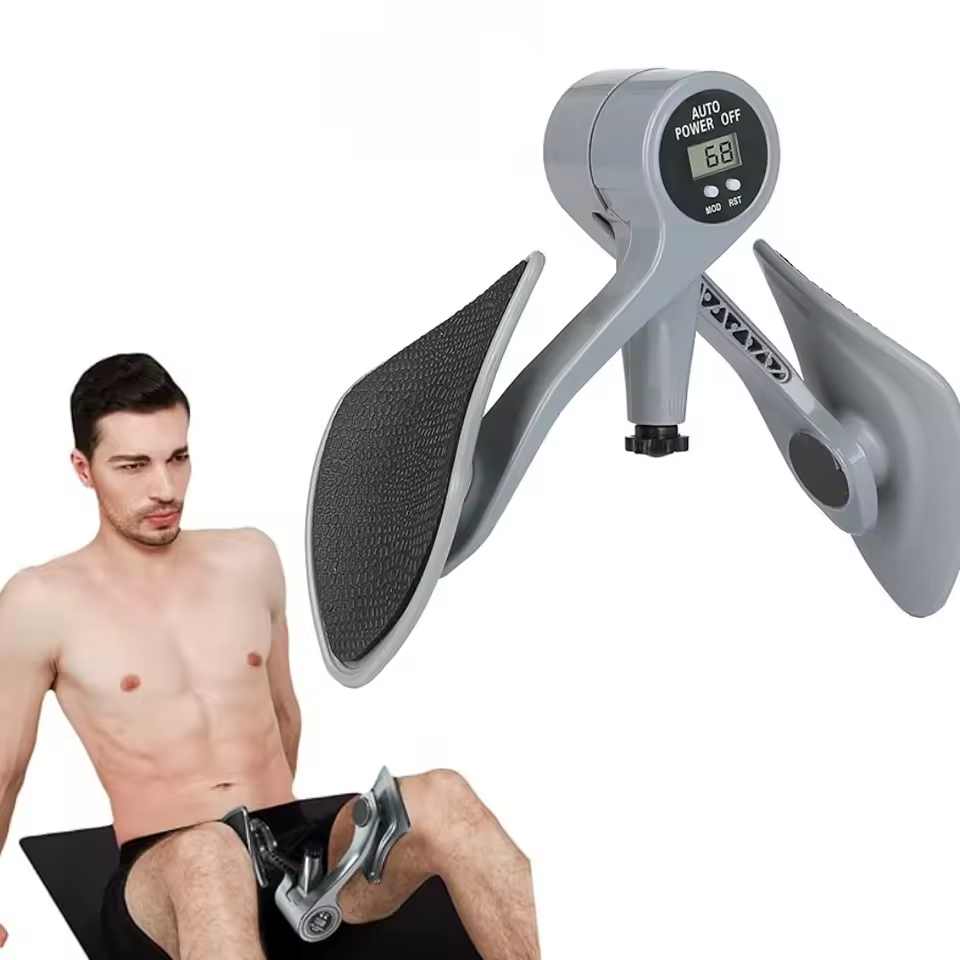
Pelvic Trainer

$19.99

A compact, portable pelvic training device designed to strengthen the core, pelvic floor, and stabilizing muscles.
Ideal for improving posture, spinal alignment, and functional power during short, guided home workouts.

Buy Now

CORE STABILIZATION

Pelvic exercises activate deep abdominal and stabilizing muscles, reinforcing trunk support and helping maintain upright posture during long sitting periods.

SPINAL ALIGNMENT SUPPORT

Targeted pelvic movements help position the pelvis correctly, reducing lumbar stress and promoting proper spinal curvature.

PELVIC FLOOR ENGAGEMENT

Strengthening the pelvic floor improves neuromuscular control, enhancing balance and postural endurance throughout the workday.

POSTURAL ENDURANCE

Regular use trains stabilizers to sustain upright posture, counteracting fatigue and slouching caused by prolonged desk work.

FUNCTIONAL POWER DEVELOPMENT

Coordinated pelvic and core activation restores force generation through the trunk, supporting spinal stability and overall postural strength.