Standing and alternating between sitting and standing can reduce back pain — people using sit‑stand desks reported significant decreases in neck, shoulder, and lower back discomfort compared to continuing to sit all day. | Using a standing desk improved objective posture metrics — a controlled study showed a significant increase in craniovertebral angle (a marker of better head/neck alignment) in those using a standing desk versus traditional desks (p < 0.05), indicating improved upright posture. | Standing desks reduce musculoskeletal strain and fatigue — over a six‑month intervention, participants using adjustable sit‑stand desks reported lower muscle discomfort and post‑work fatigue than those who sat all day. | Studies show standing desk users experience large reductions in back pain — some reports indicate back and neck pain reductions of ~32–54% in users after weeks of sit‑stand desk use (reduced upper back and neck pain). | Sit‑stand desks decrease prolonged sitting time — research confirms that adjustable desks significantly reduce total time spent sitting during work hours, which is linked to improved physical outcomes such as reduced postural strain. | Alternating between sitting and standing increases trunk stability — a study found that a sit‑stand pattern was associated with increased trunk stiffness and reduced back muscle overactivity compared to prolonged sitting, suggesting benefits for spinal support.
desk desk 2 desk 3

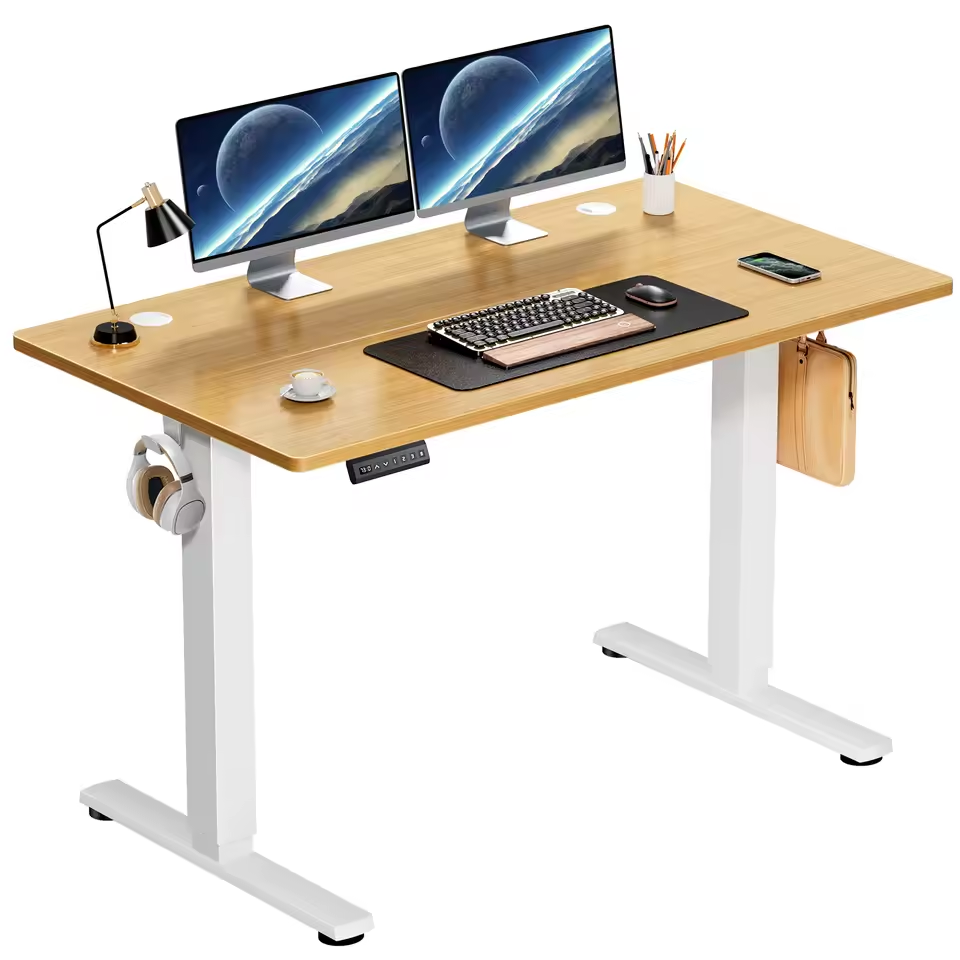
Electric Stand-Up Desk

$149.99

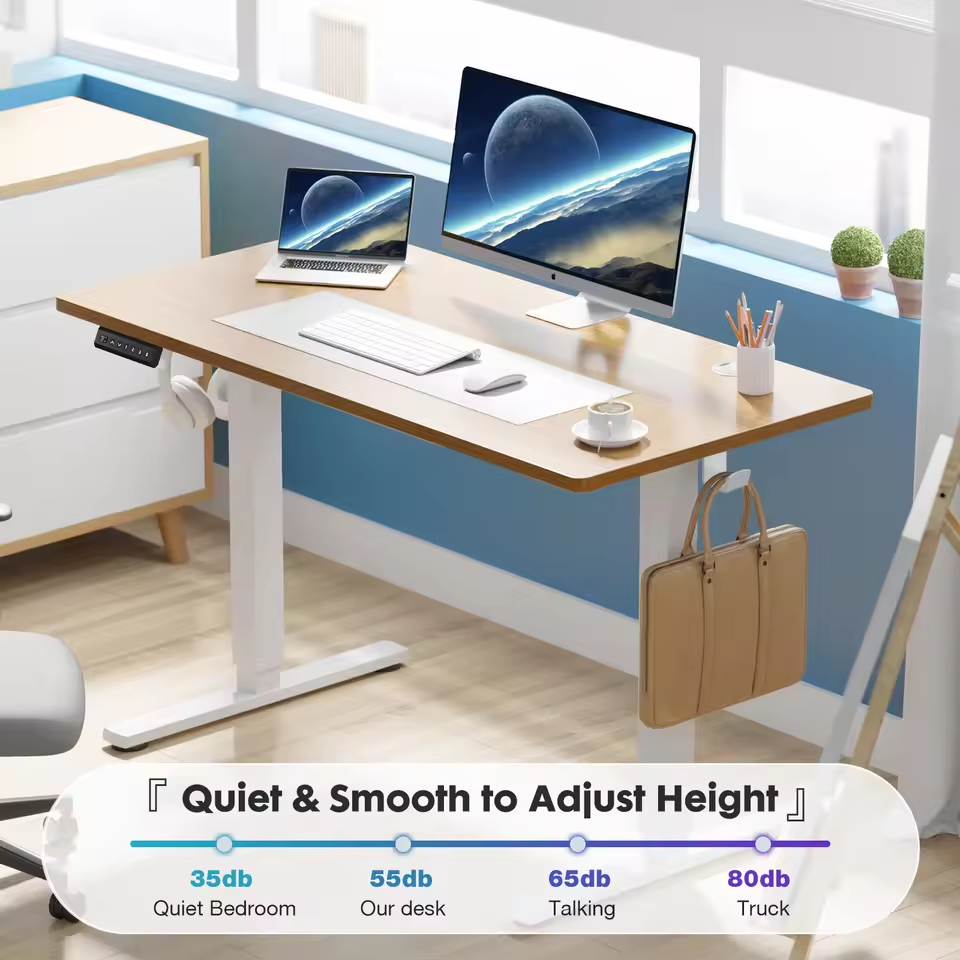
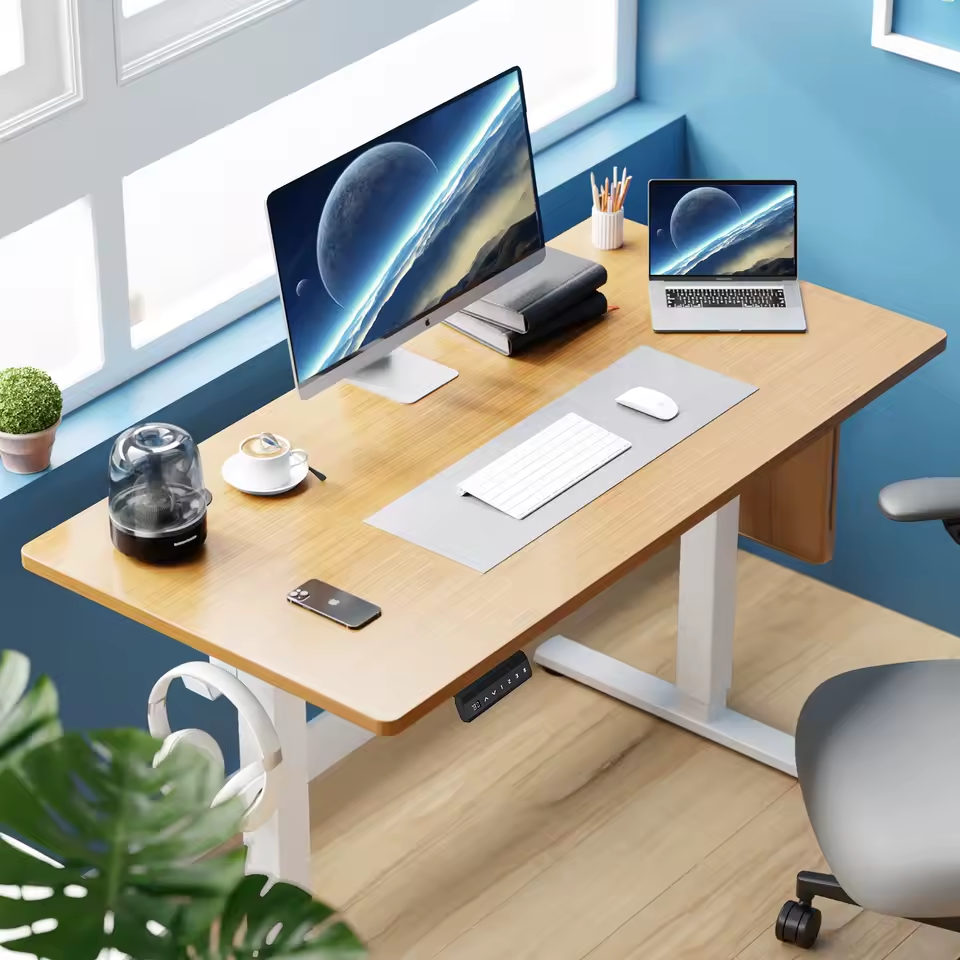
A modern electric adjustable stand-up desk with smooth, height control, designed to switch effortlessly between sitting and standing.
It promotes better posture, reduces fatigue, and supports healthier work-day movement for improved focus and wellbeing.

Buy Now

DYNAMIC POSTURE RESET

Seamless transitions between sitting and standing interrupt static loading, allowing the spine to return to a more natural, upright alignment.

SPINAL LOAD DISTRIBUTION

Alternating positions reduces continuous pressure on the lumbar spine, preserving disc health and postural endurance.

CORE REENGAGEMENT

Standing work subtly activates core and stabilizing muscles, rebuilding the support system weakened by prolonged sitting.

ENERGY FLOW RECOVERY

Improved circulation and reduced muscular fatigue restore physical and cognitive power during long coding or workstation sessions.

POSTURAL AUTONOMY

Height adjustability empowers tech specialists to fine-tune their workstation, training the body to sustain balanced, upright posture throughout the day.